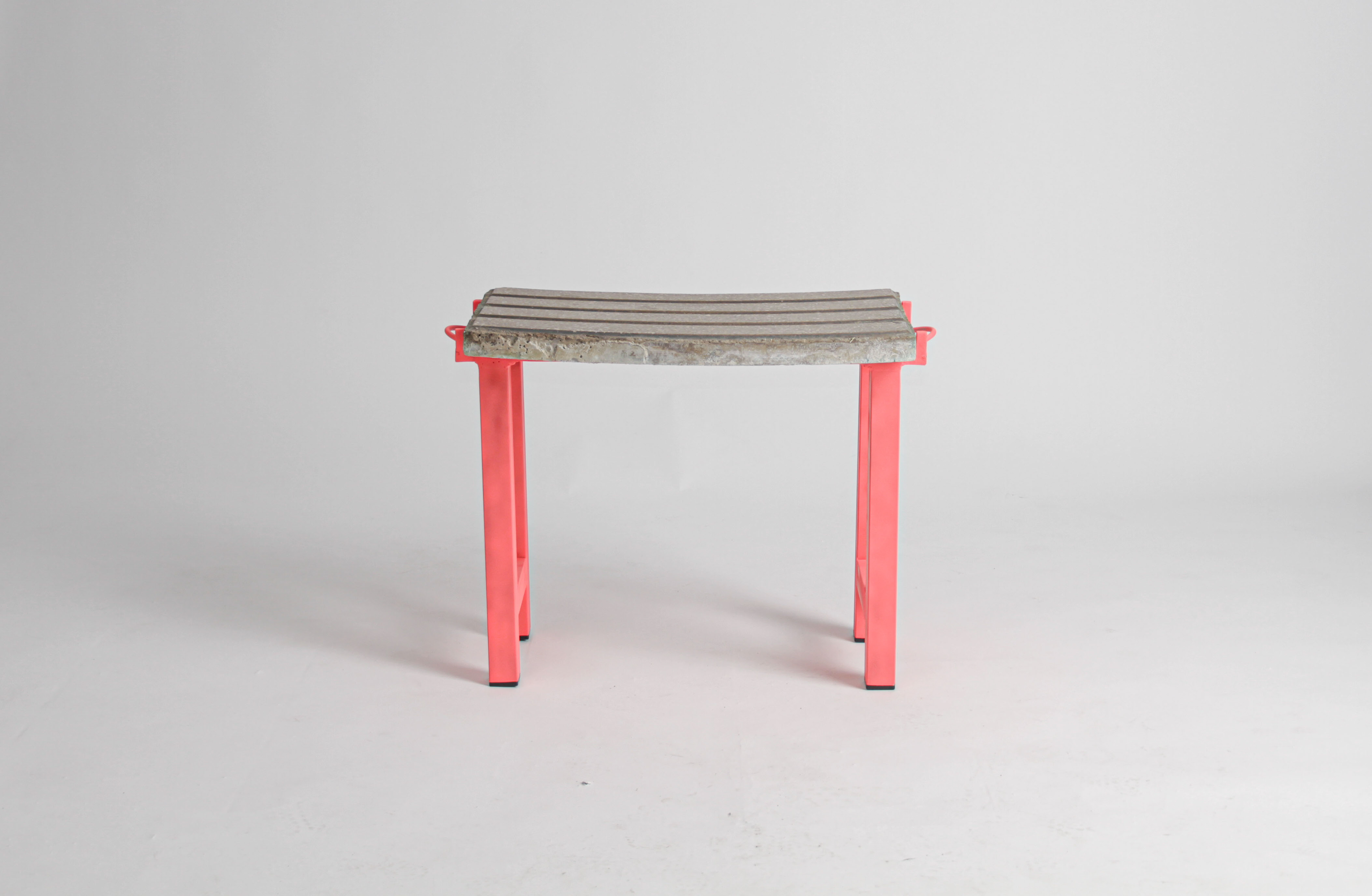
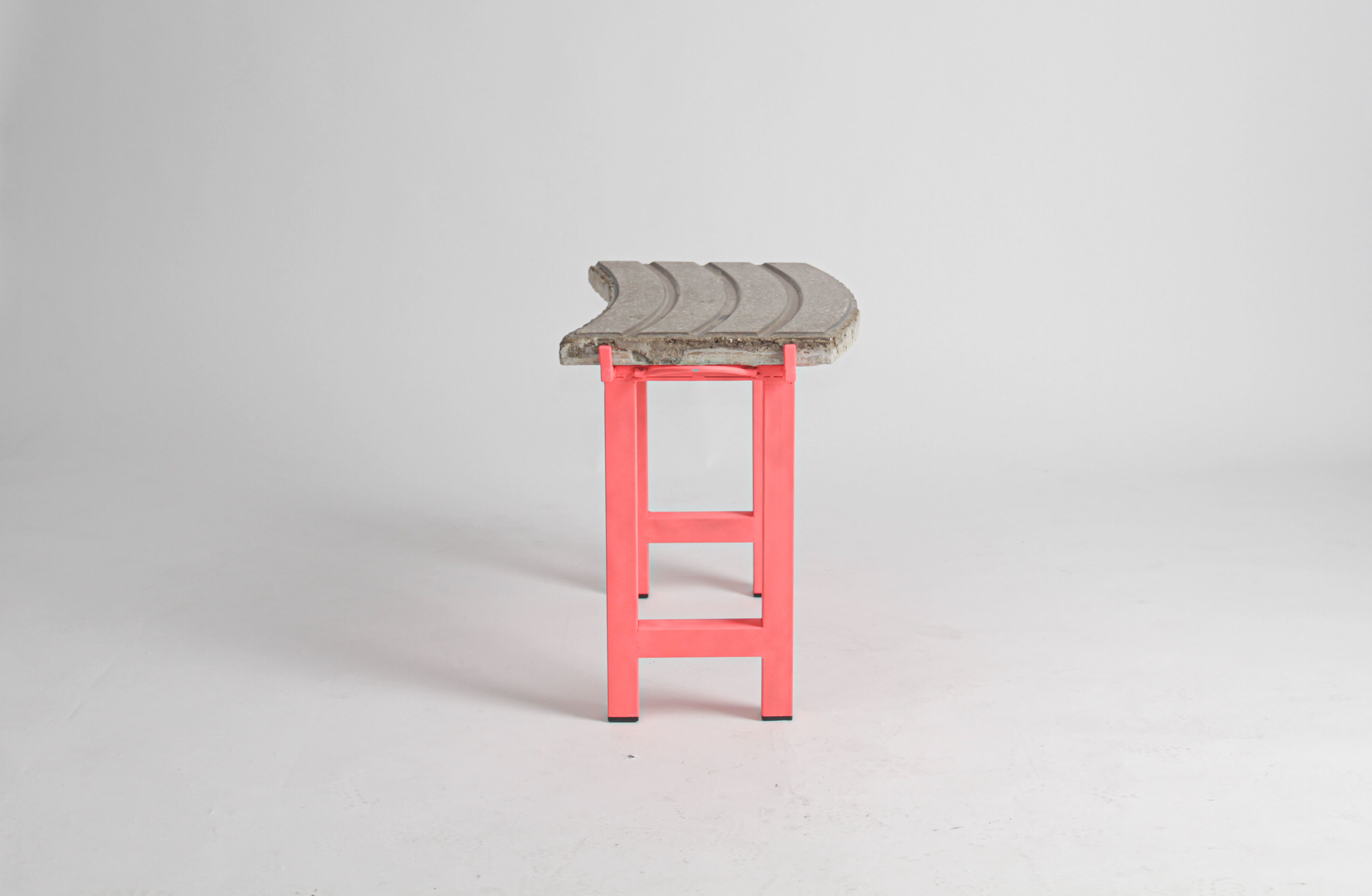
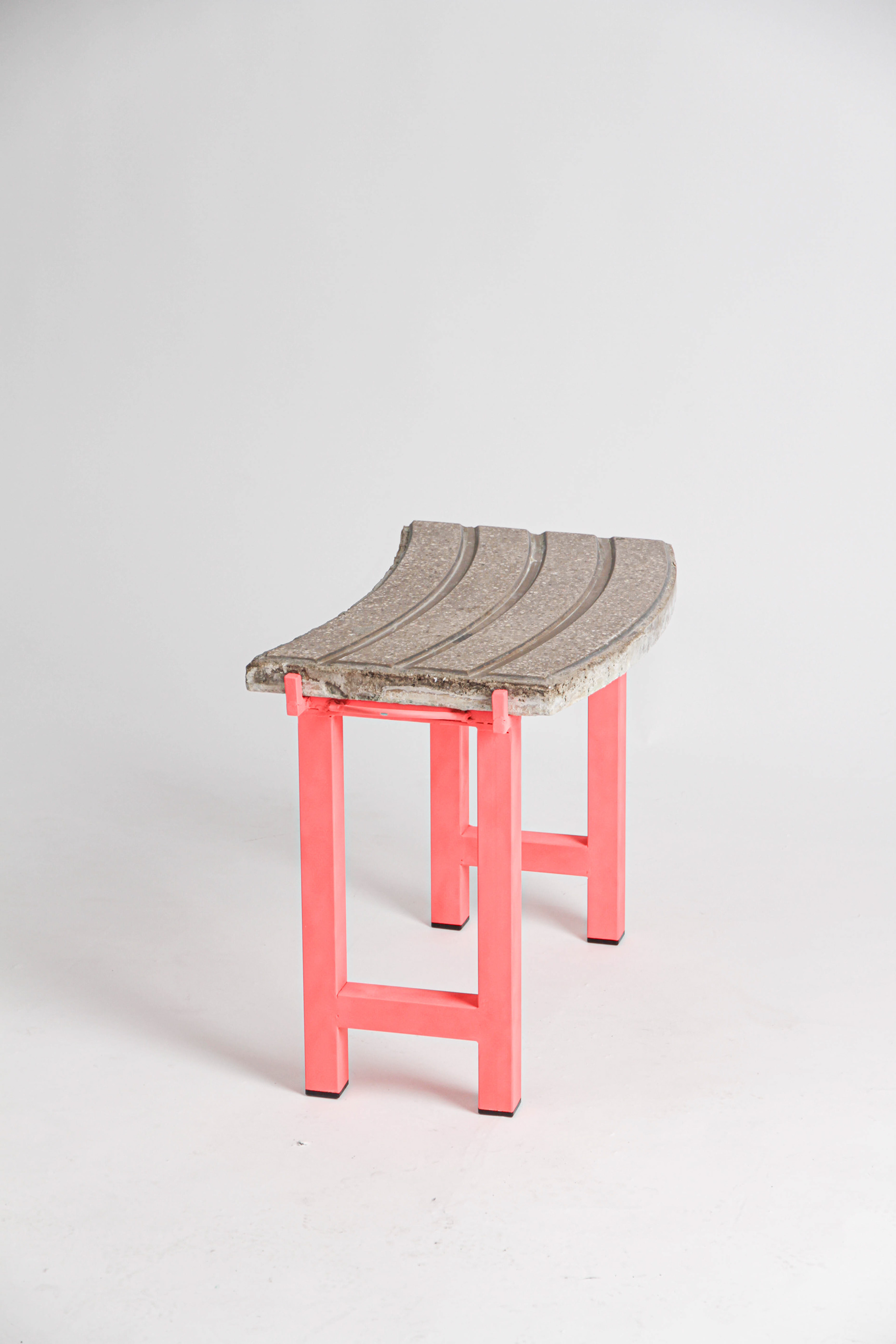
Banca La Rambla
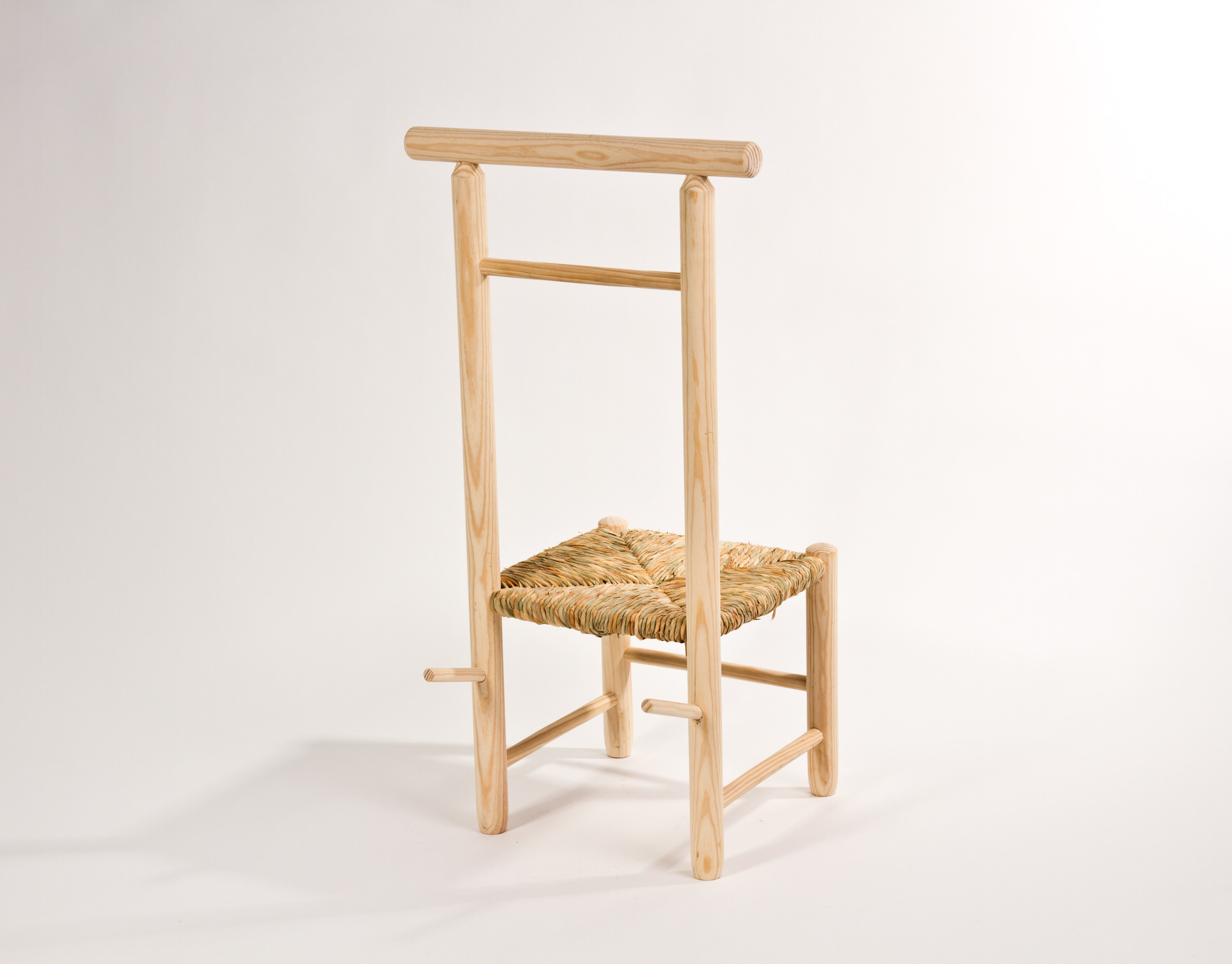
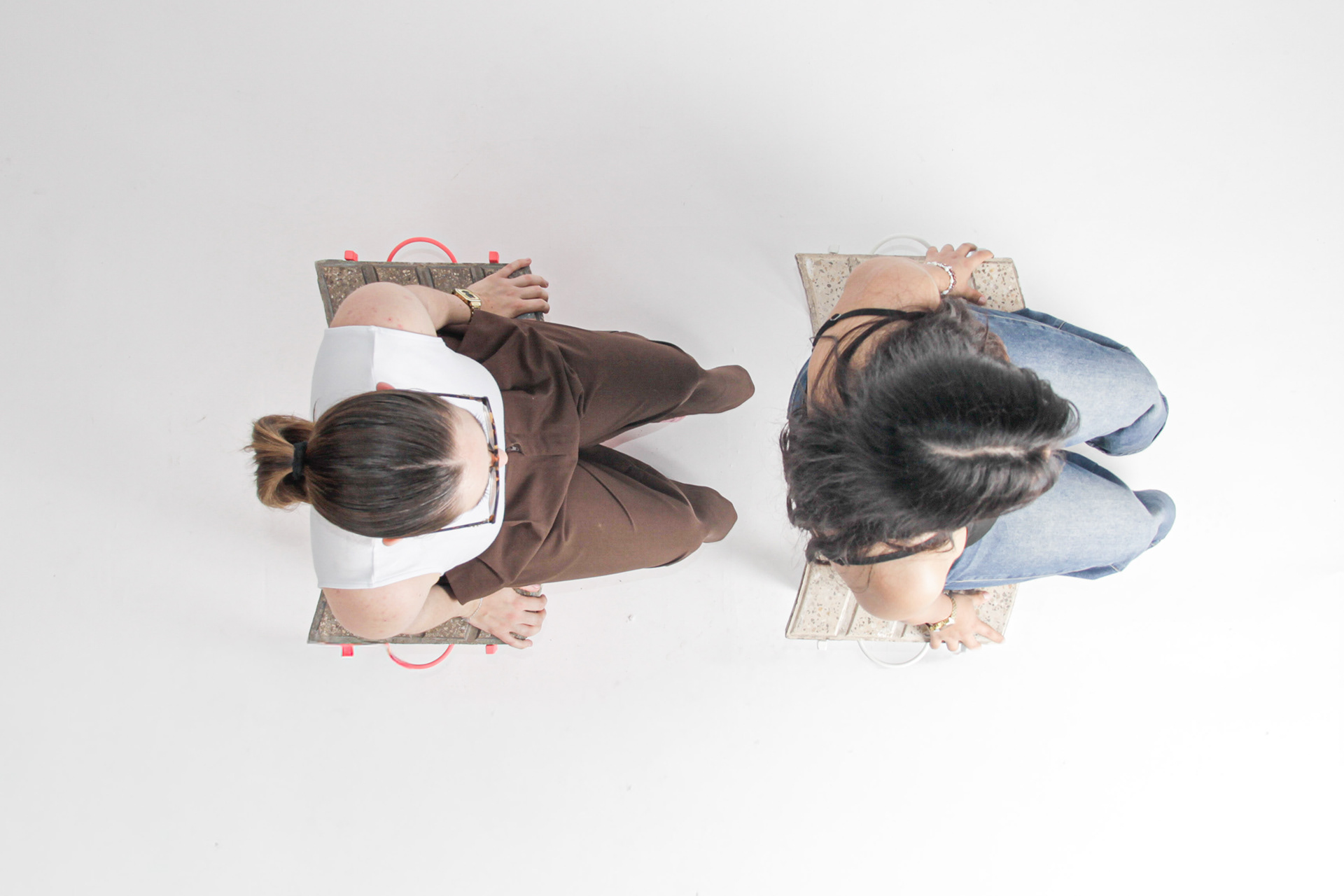
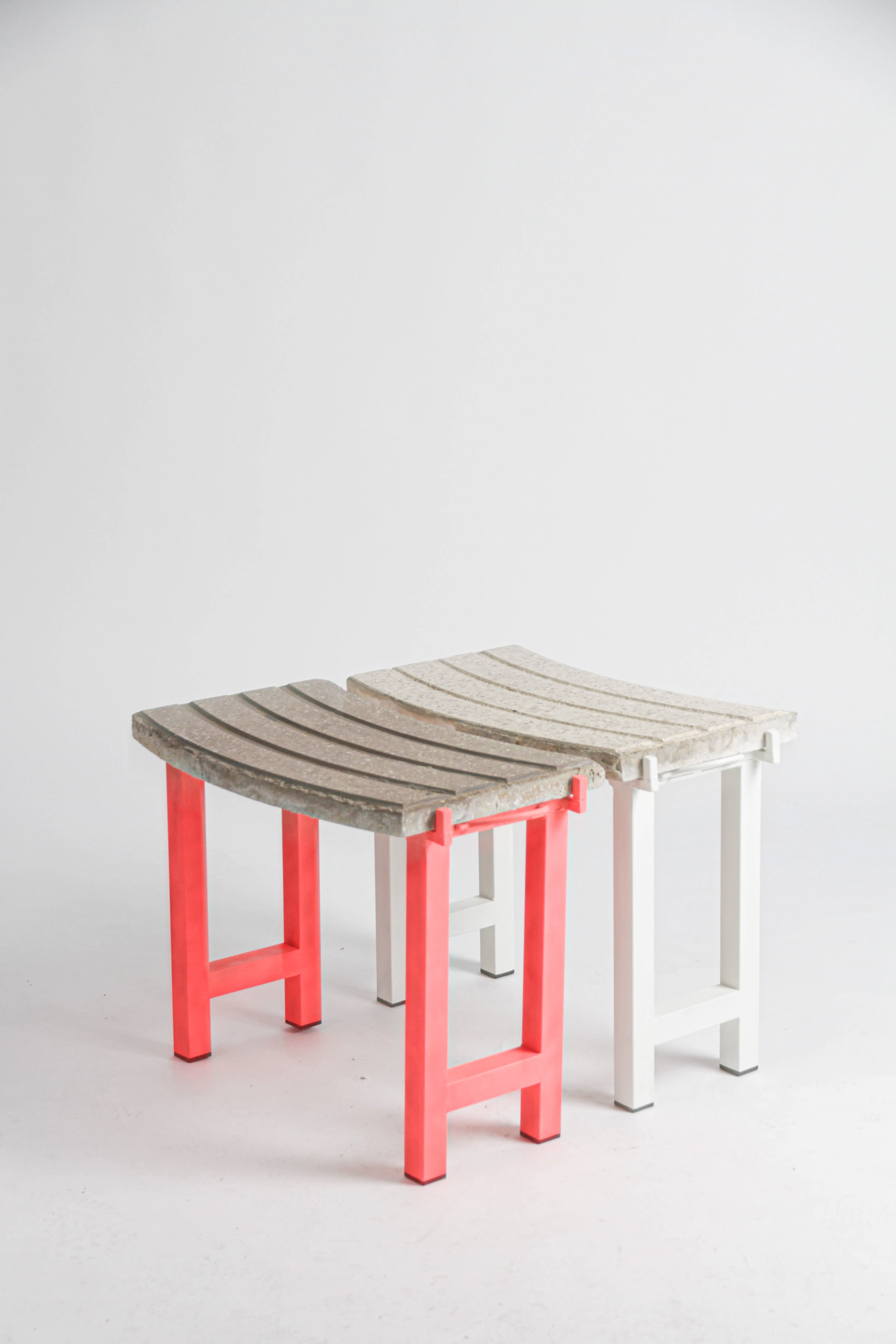
Seient individual
68 x 40 x 52
2025
Seient individual
68 x 40 x 52
2025
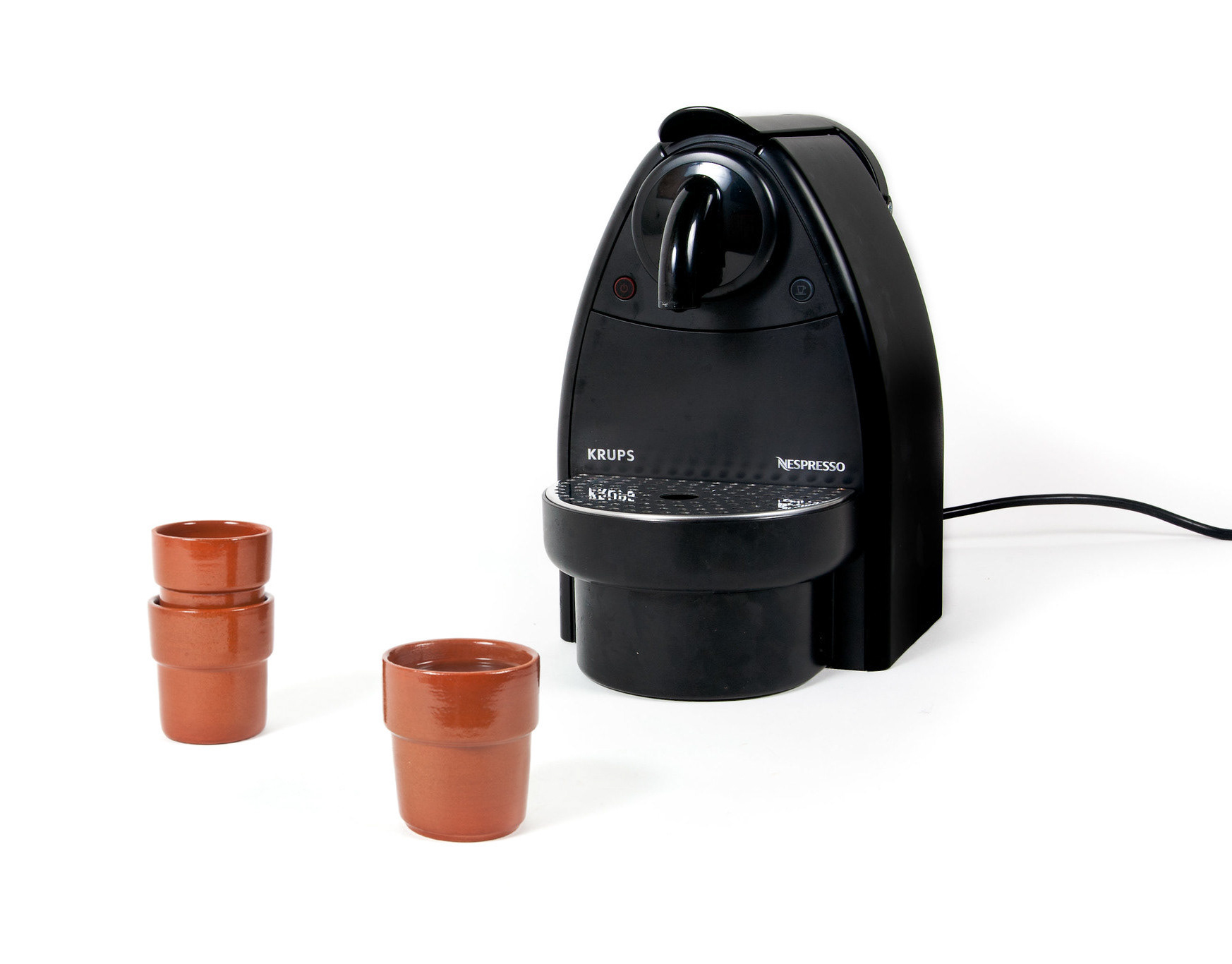
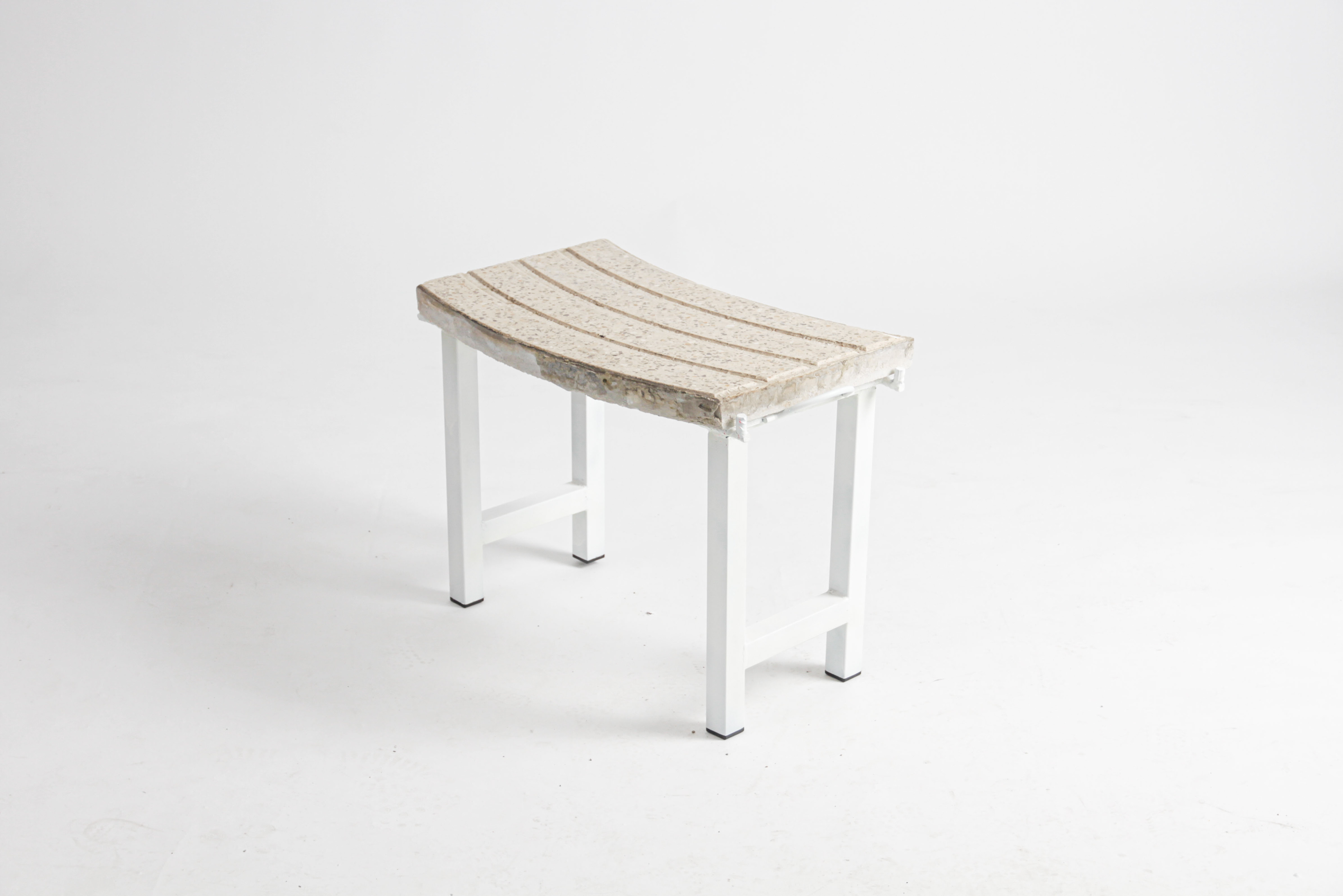
Eng Welded metal tubes in Mahmud i Malik's Raval workshop to support ONA model tiles by Adolf Florensa, 1986.
Cat Tubs metalics soldats Al taller del Raval de Mahmud i Malik per suportar rajola model ONA de Adolf Florensa de 1986. El Premi Nobel d'Economia 2025, atorgat a Joel Mokyr, Philippe Aghion i Peter Howitt, per la seva explicació del creixement sostingut a través de la "destrucció creativa". El procés pel qual les noves innovacions fan obsolets i desplacen productes, elements, empreses o tecnologies antics, alliberant recursos i espai perquè aparegui un nou creixement. La creació/destrucció creativa és essencial per a l'existència del progrés i el disseny.
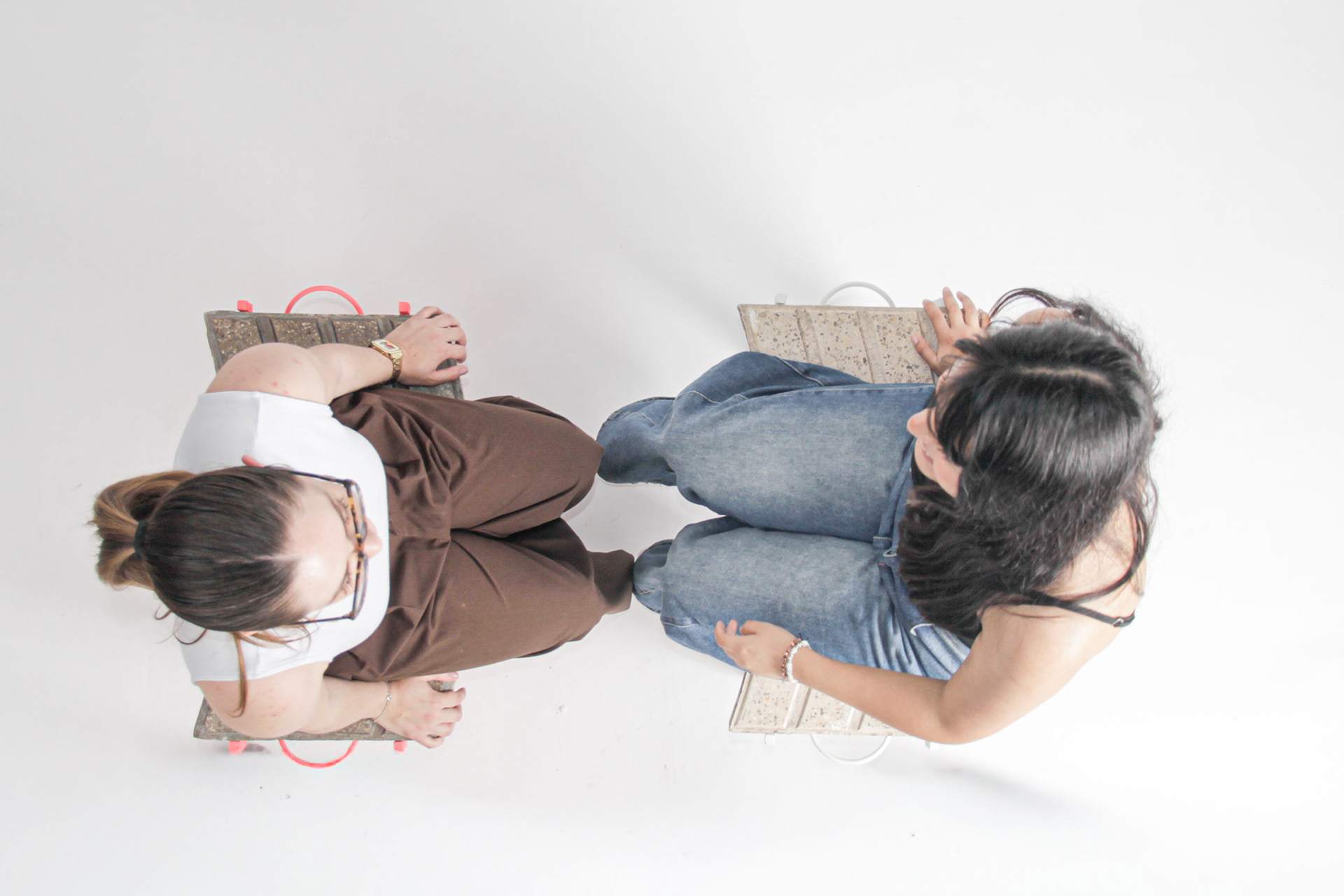
Esp Tubos metálicos soldados En el taller del Raval de Mahmud y Malik para soportar baldosa modelo ONA de Adolf Florensa de 1986. El Premio Nobel de Economía 2025, otorgado a Joel Mokyr, Philippe Aghion y Peter Howitt, se dividió en dos por sus explicaciones del crecimiento sostenido mediante la «destrucción creativa». El proceso mediante el cual las nuevas innovaciones vuelven obsoletos y desplazan productos, elementos, empresas o tecnologías antiguos, liberando recursos y espacio para el surgimiento de un nuevo crecimiento. La creación/destrucción creativa es esencial para la existencia del progreso y el diseño.
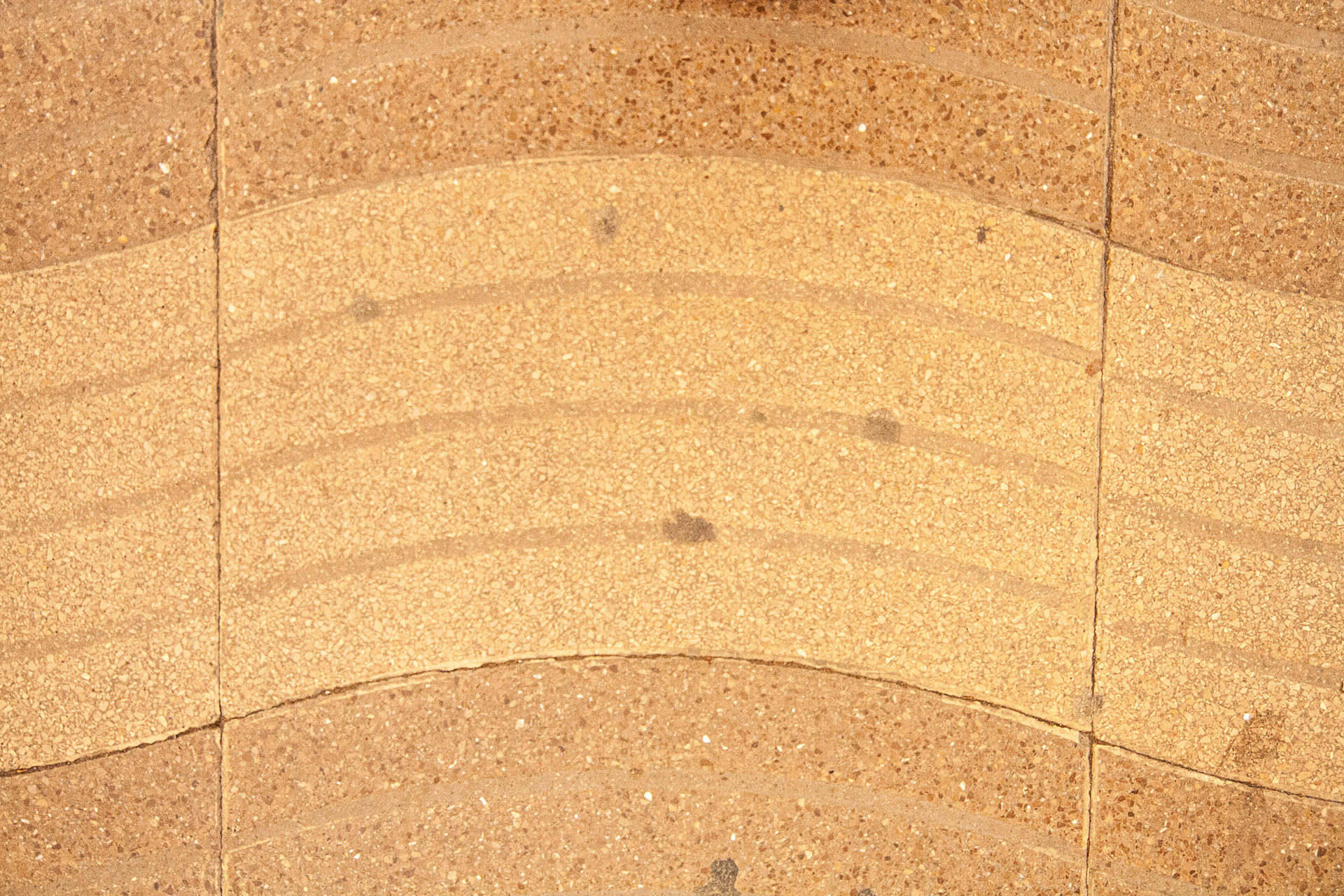
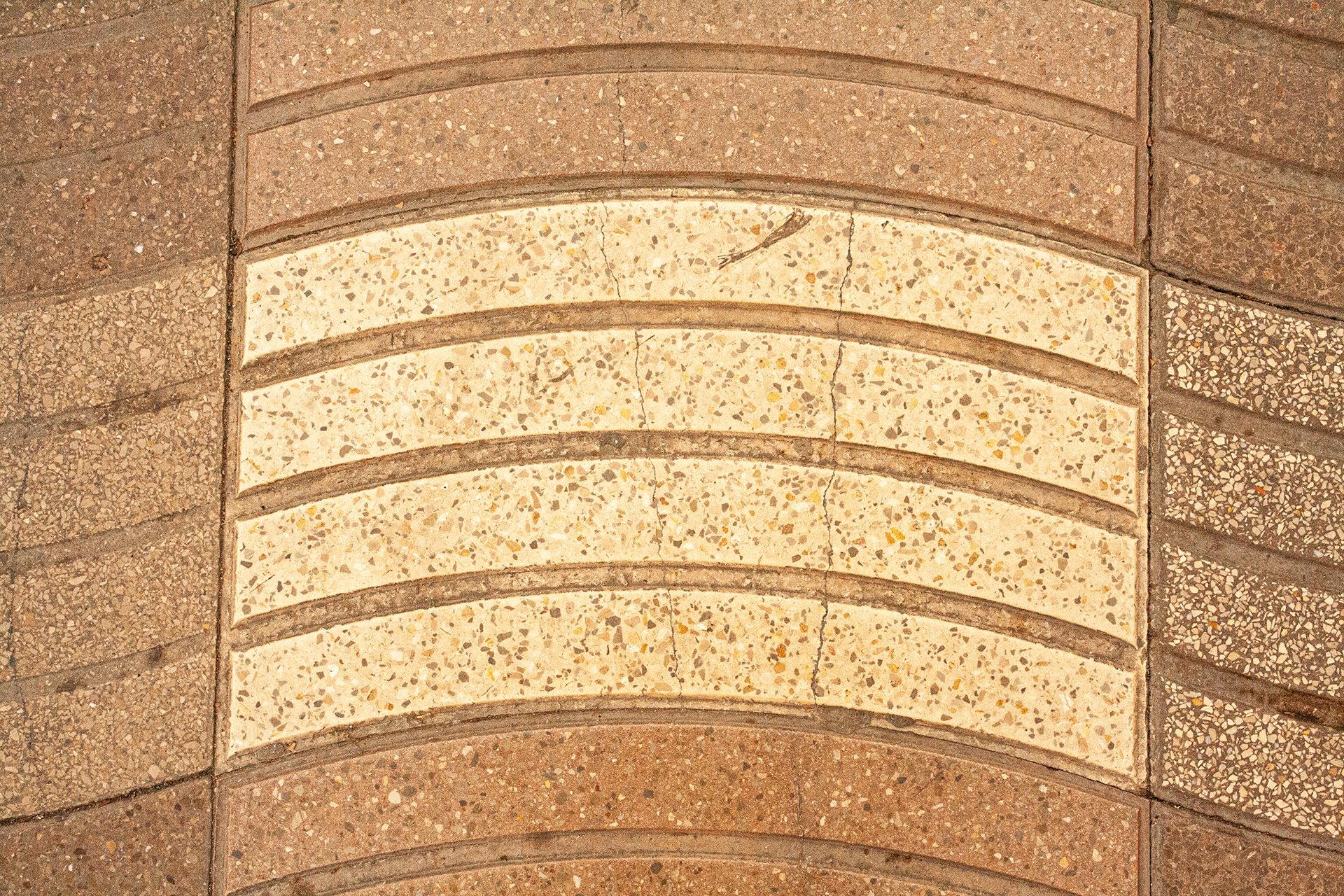
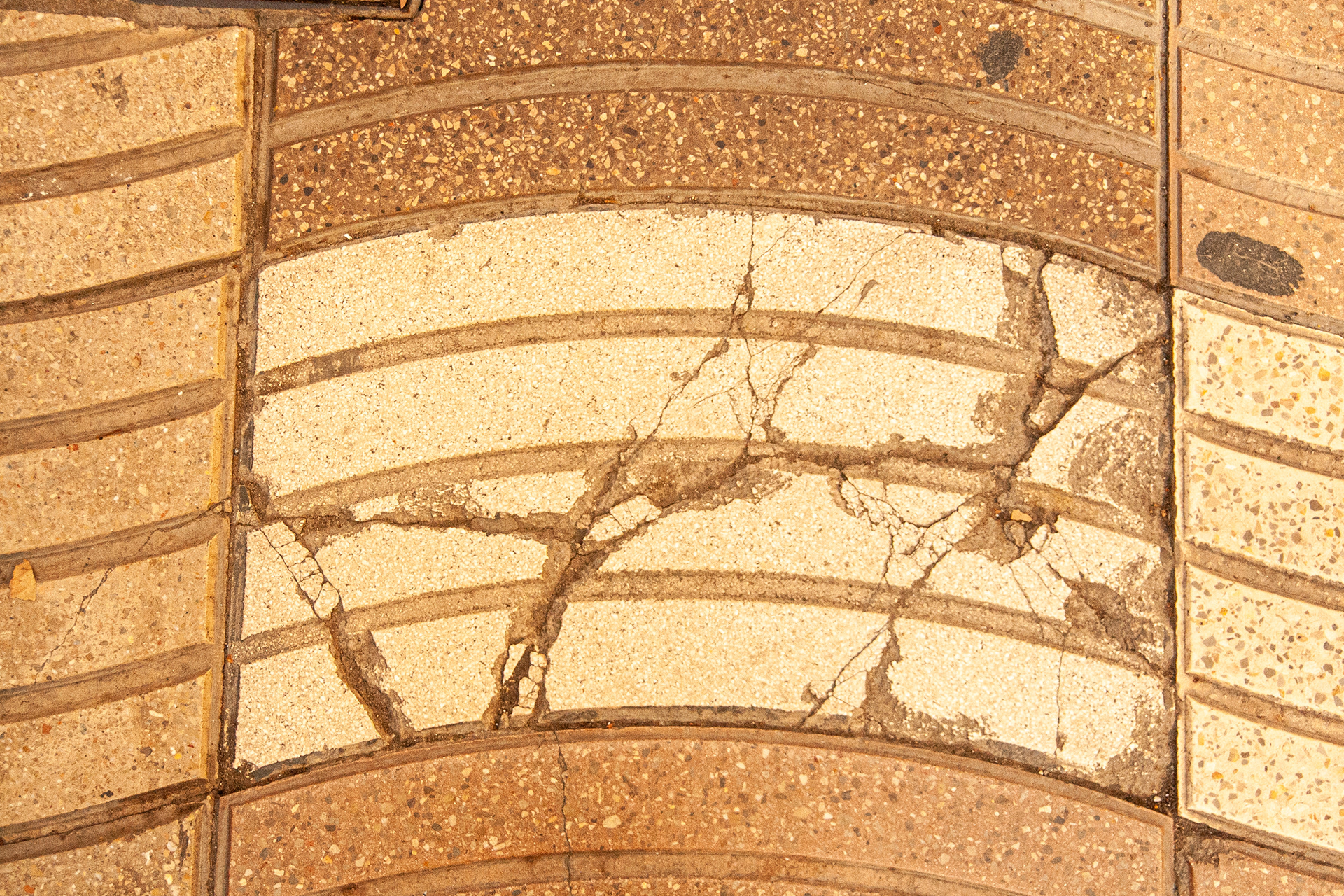
Eng The 2025 Nobel Prize in Economics awarded to Joel Mokyr, Philippe Aghion and Peter Howitt, in halves for their explanations of sustained growth through “creative destruction”. The process by which new innovations make obsolete and displace old products, elements, companies or technologies — freeing up resources and space for new growth to appear. Creative creation/destruction is essential for the existence of progress and design.
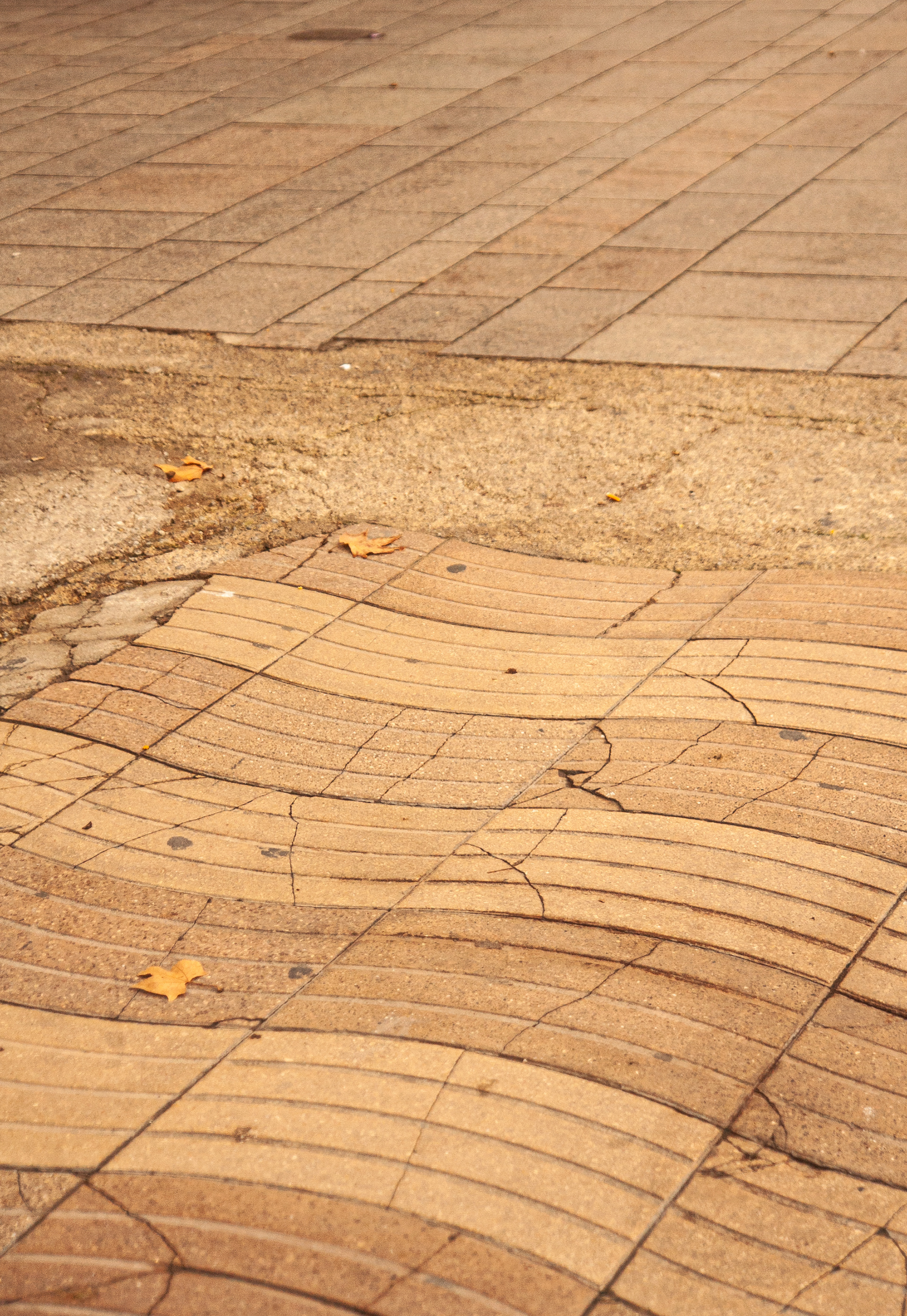
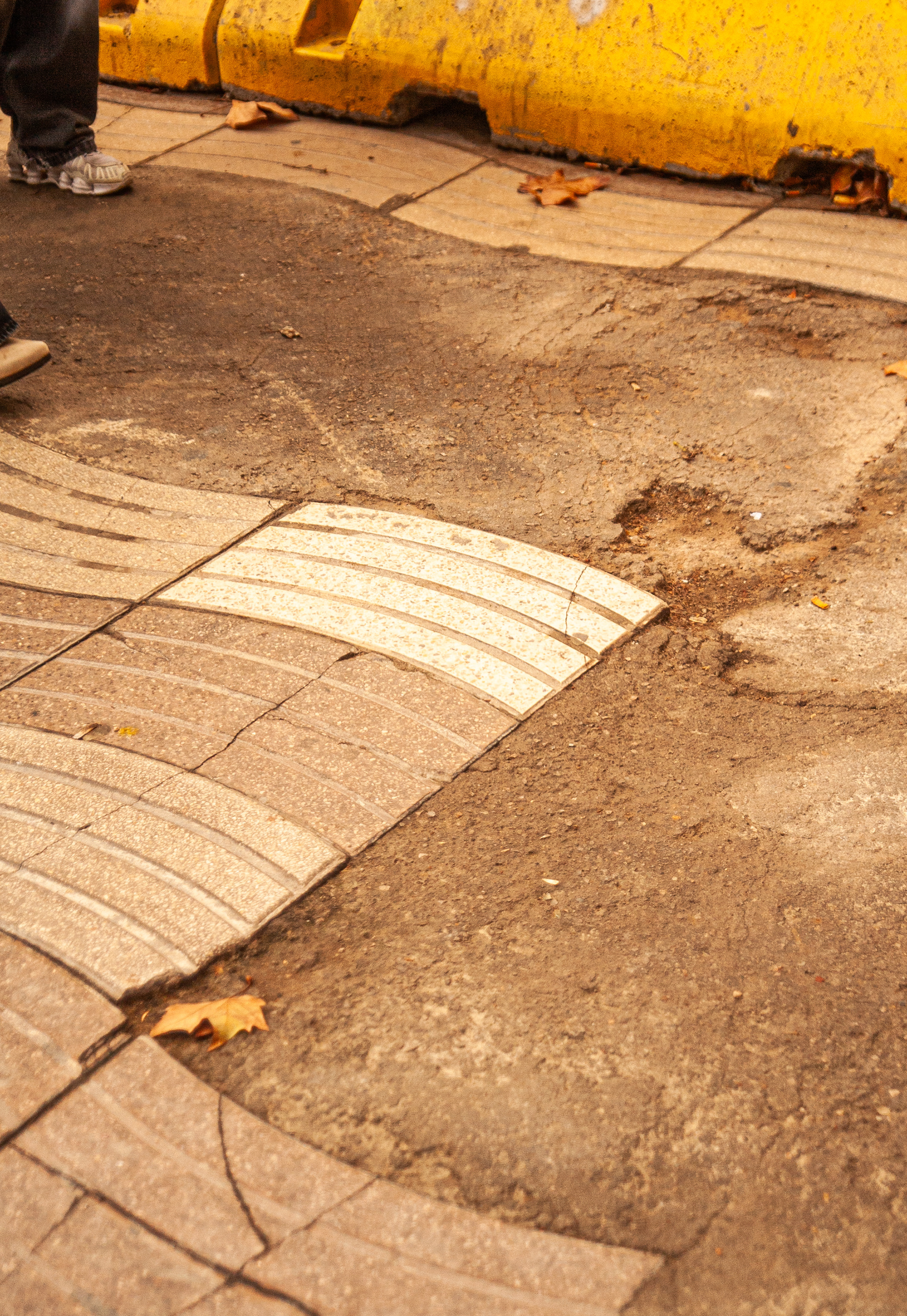
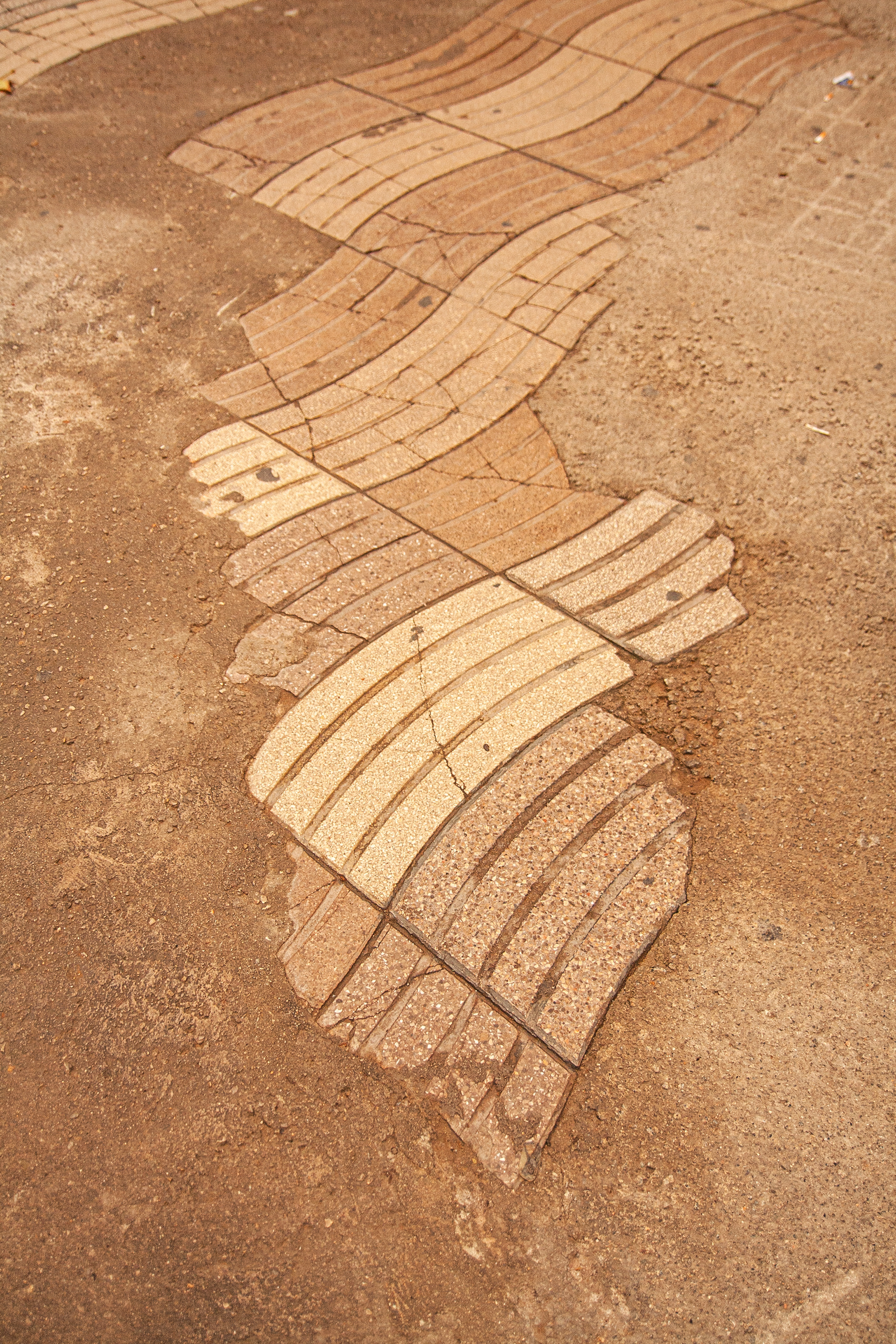
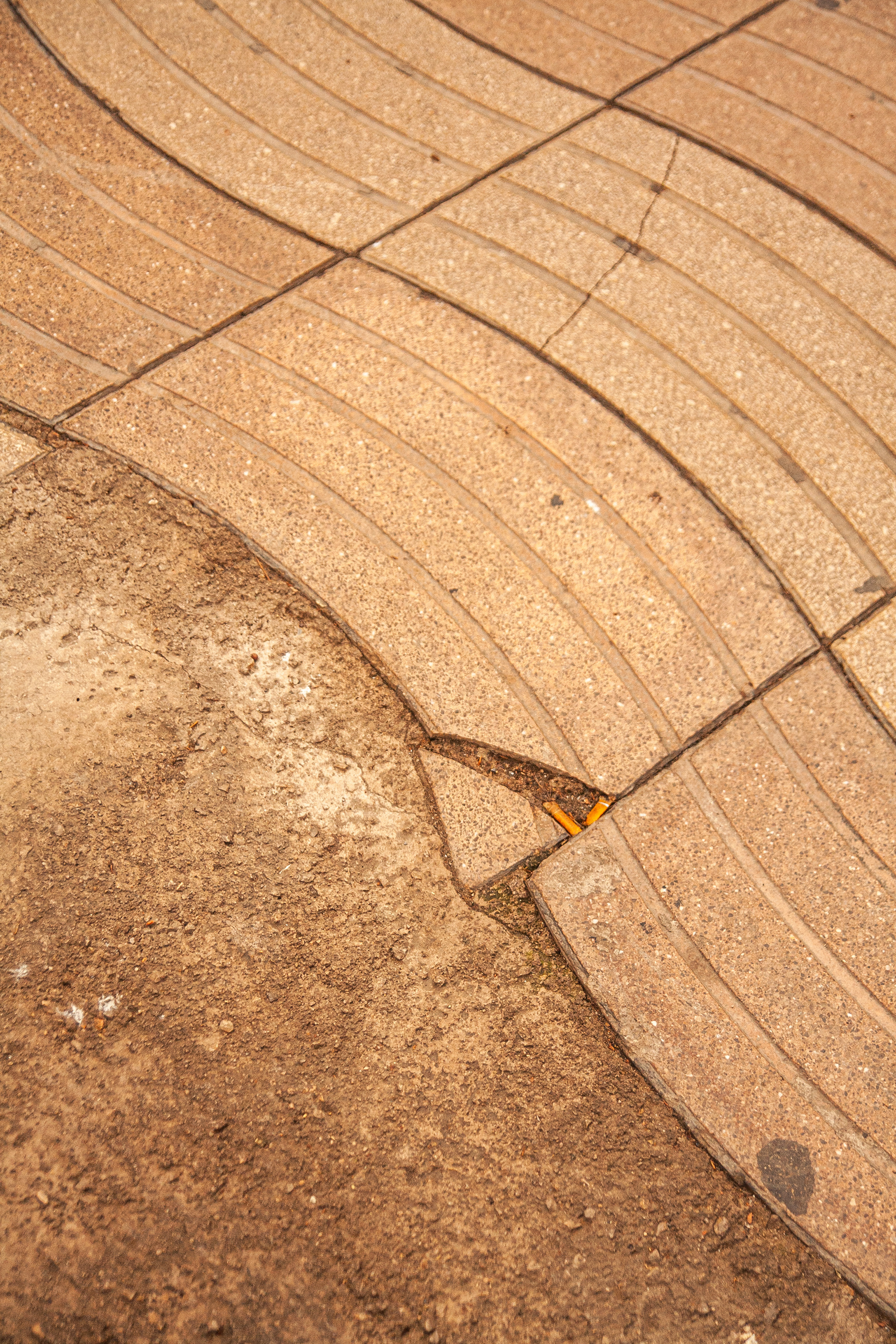
The Rambla of Barcelona or known as Rambla de les Flors or La Rambla began its renovation in 2016, where an international competition was called, which was won by KM_Zero, led by architects Itzíar González, Olga Tarrasó and Lola Domenech. It was coordinated with neighbors, Administration, technicians and other agents to agree on the renovation project that is expected to be completed before 2027.
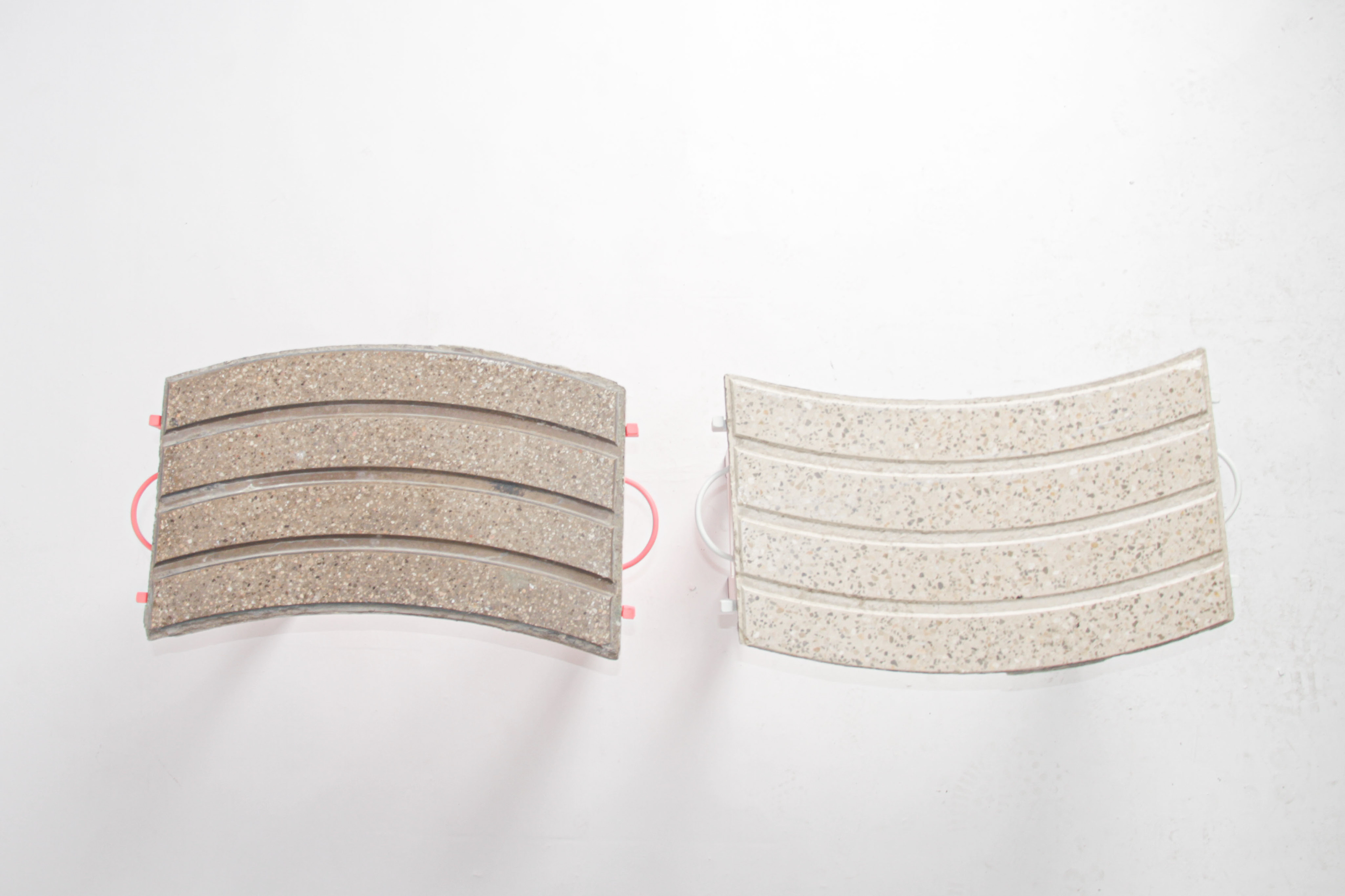
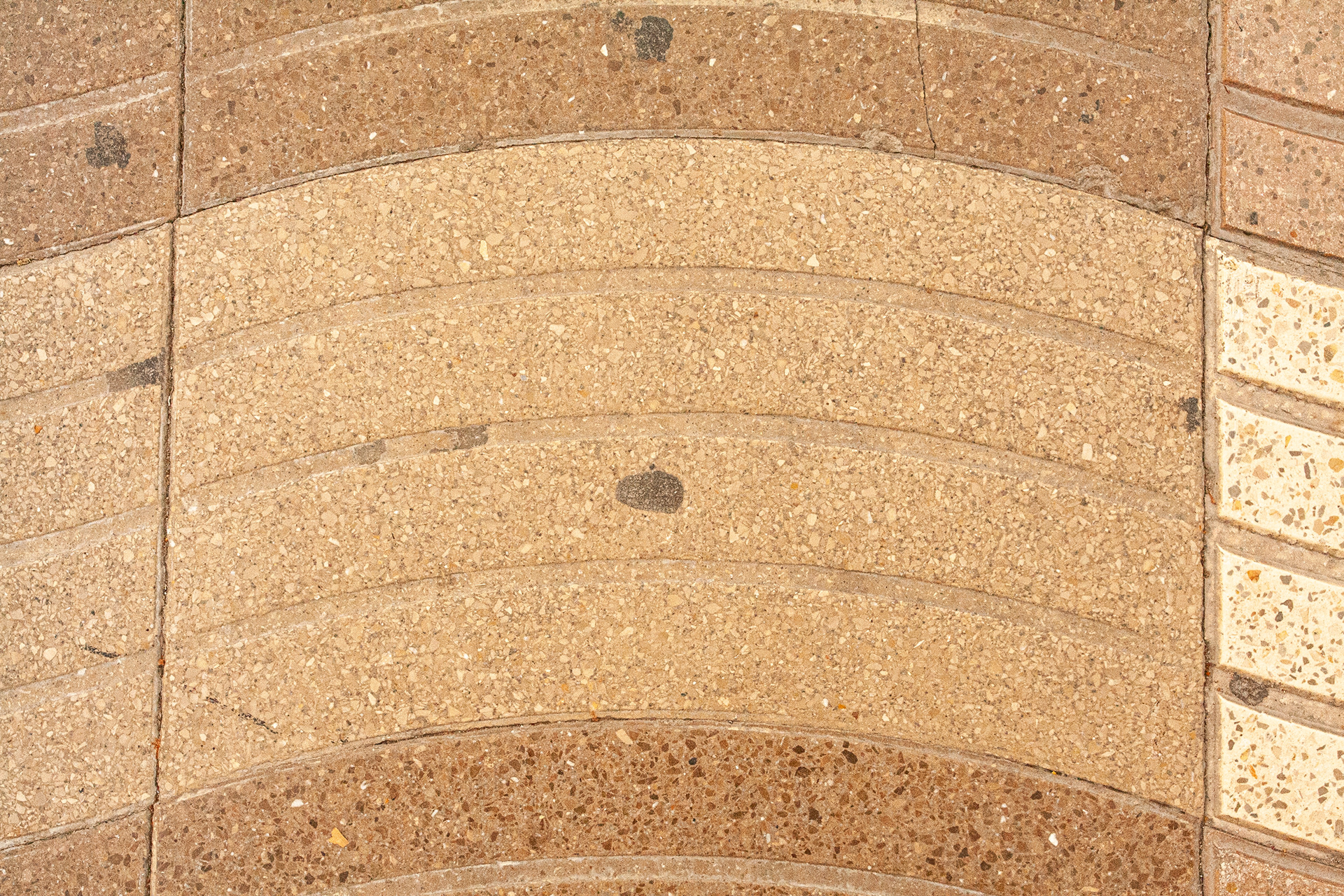
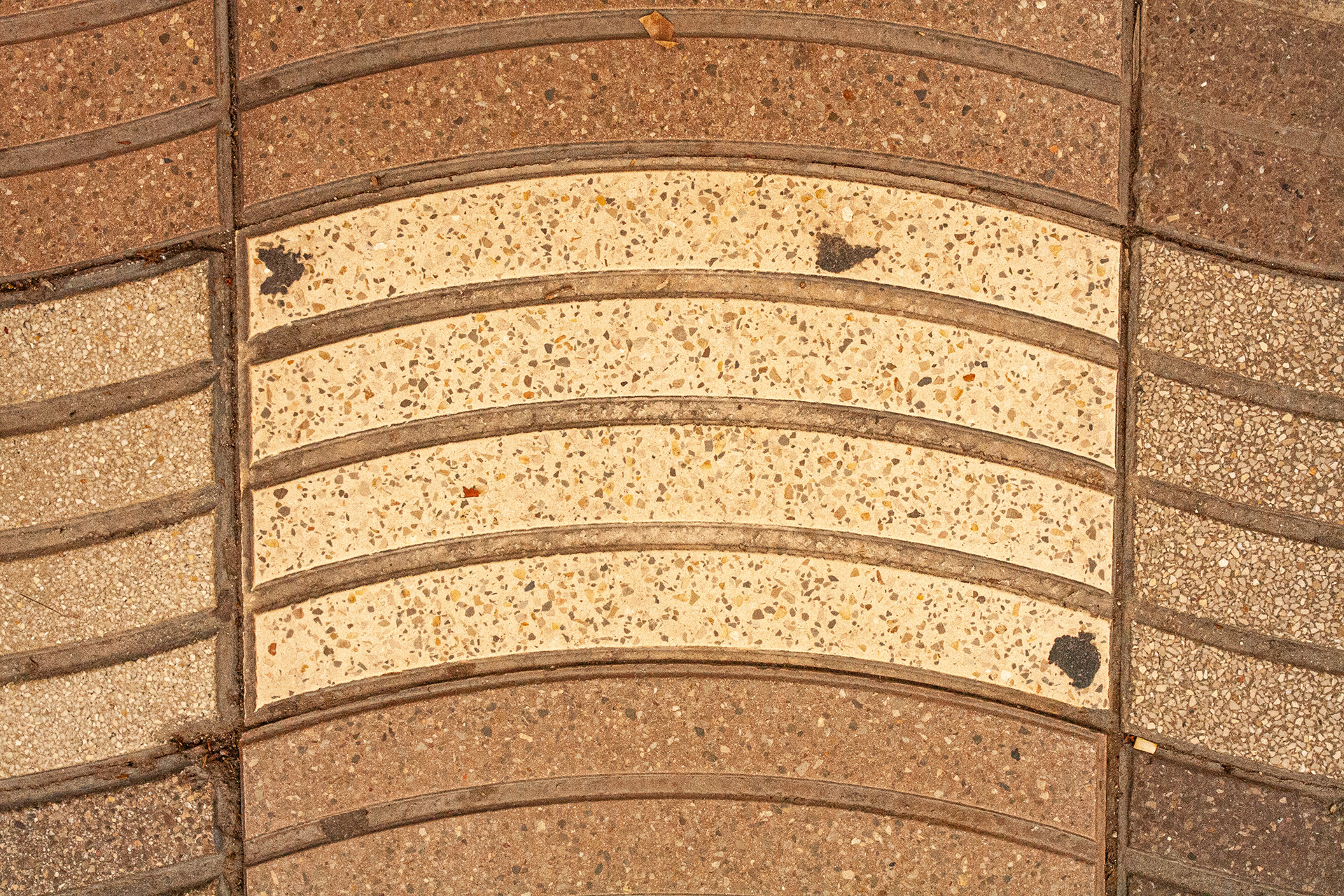
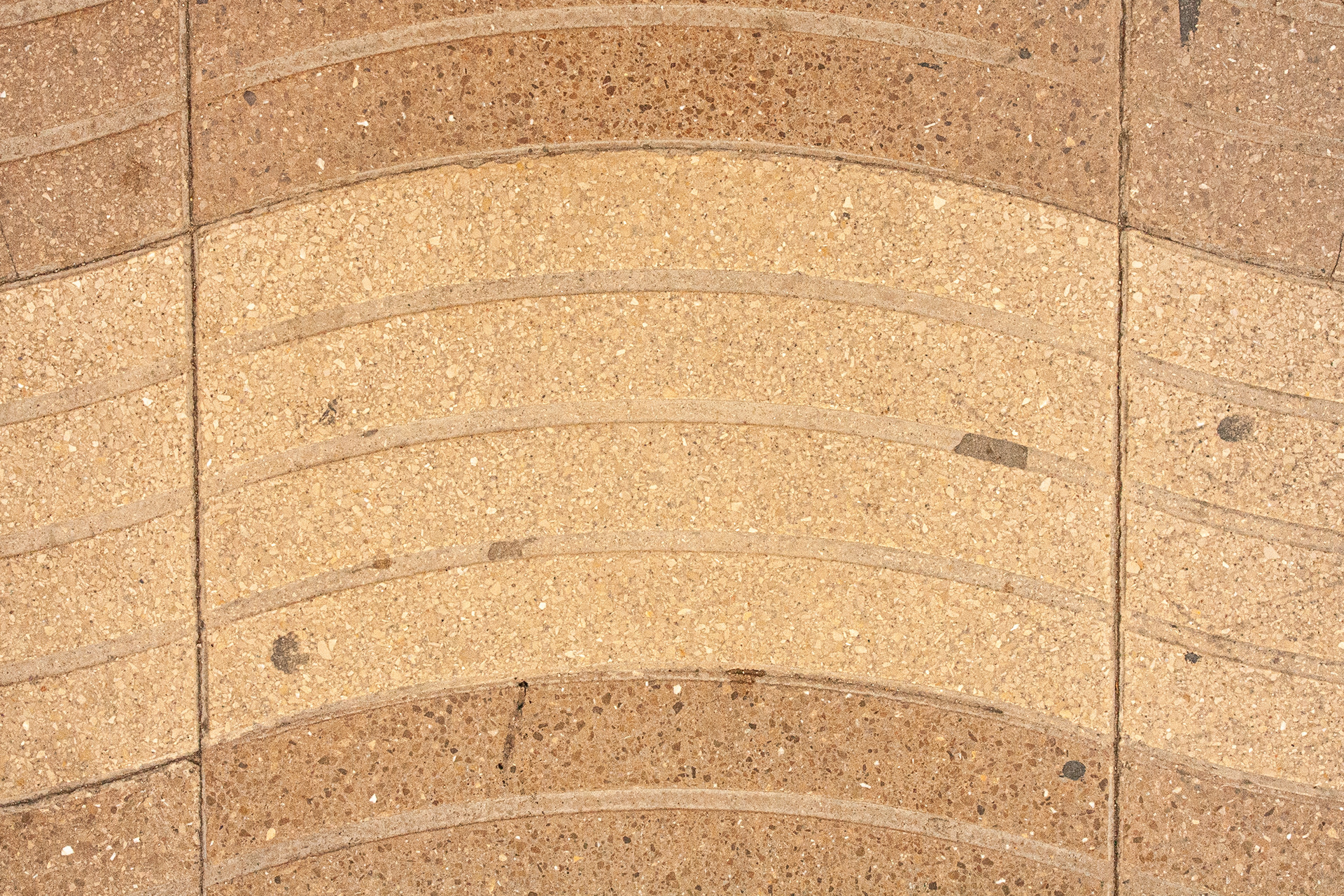
The bench, a backless bench in the shape of an altar to emphasize or immortalize the Ona tile, known as waves or also the Pirelli brands, symbol of the reform of the Rambla. Undulat pavement dating from 1968, the work of Adolfo Florensa for Escofet, using the "vibropressed concrete" technique or patented "Vibrazolit" technology, which allowed the production of prefabricated tiles suitable for outdoor spaces. They were installed in 1968, but have undergone some important reforms. The most relevant, in 1989, according to a project by Rosa Clotet.
The bench, a backless bench in the shape of an altar to emphasize or immortalize the Ona tile, known as waves or also the Pirelli brands, symbol of the reform of the Rambla. Undulat pavement dating from 1968, the work of Adolfo Florensa for Escofet, using the "vibropressed concrete" technique or patented "Vibrazolit" technology, which allowed the production of prefabricated tiles suitable for outdoor spaces. They were installed in 1968, but have undergone some important reforms. The most relevant, in 1989, according to a project by Rosa Clotet.
Cat La Rambla de Barcelona o coneguda com a Rambla de les Flors o La Rambla va començar la seva renovació l'any 2016, on es va convocar un concurs internacional, que va guanyar KM_Zero, liderat per les arquitectes Itzíar González, Olga Tarrasó i Lola Domenech. Es va coordinar amb veïns, Administració, tècnics i altres agents per acordar el projecte de renovació que s'espera que finalitzi abans del 2027.
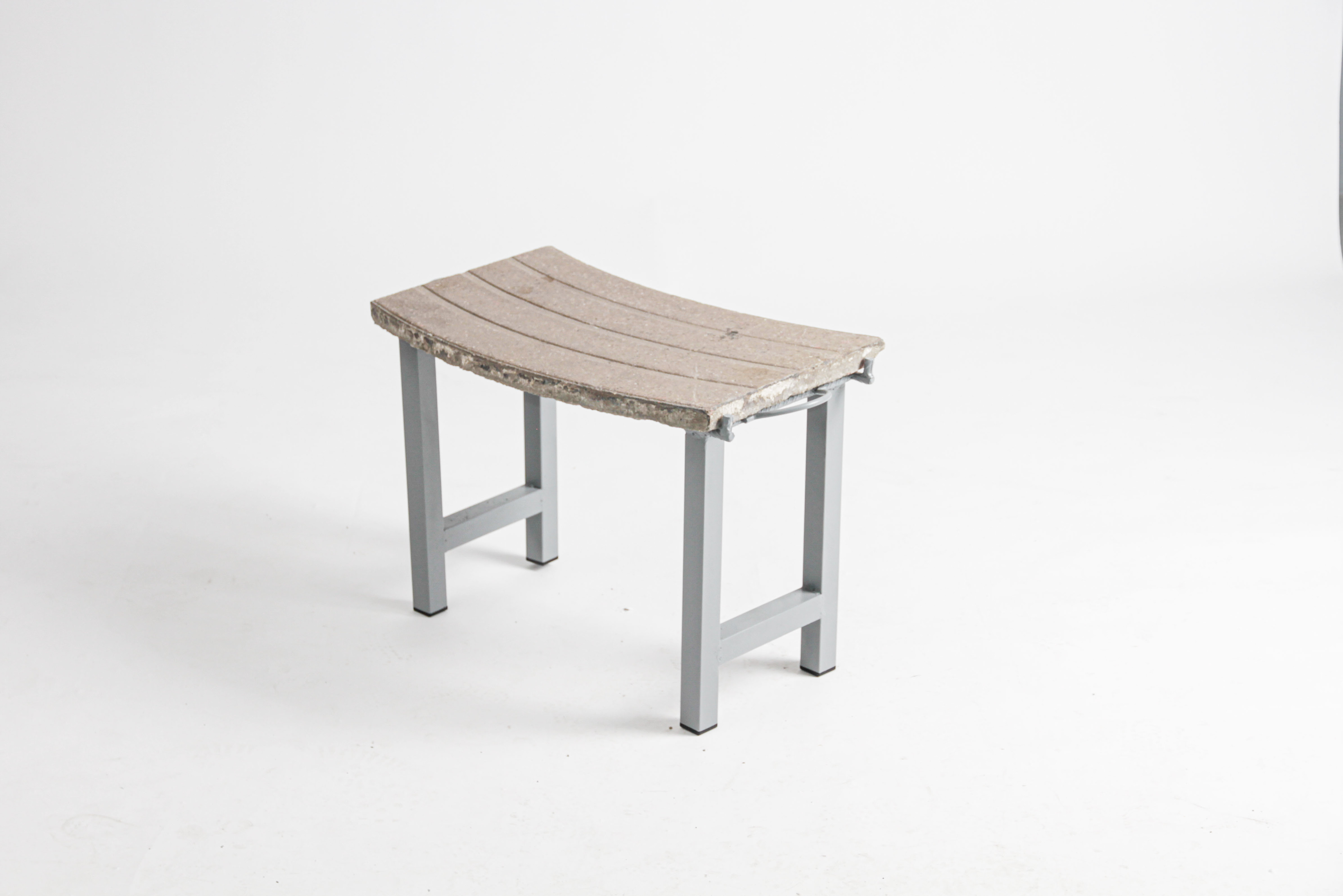
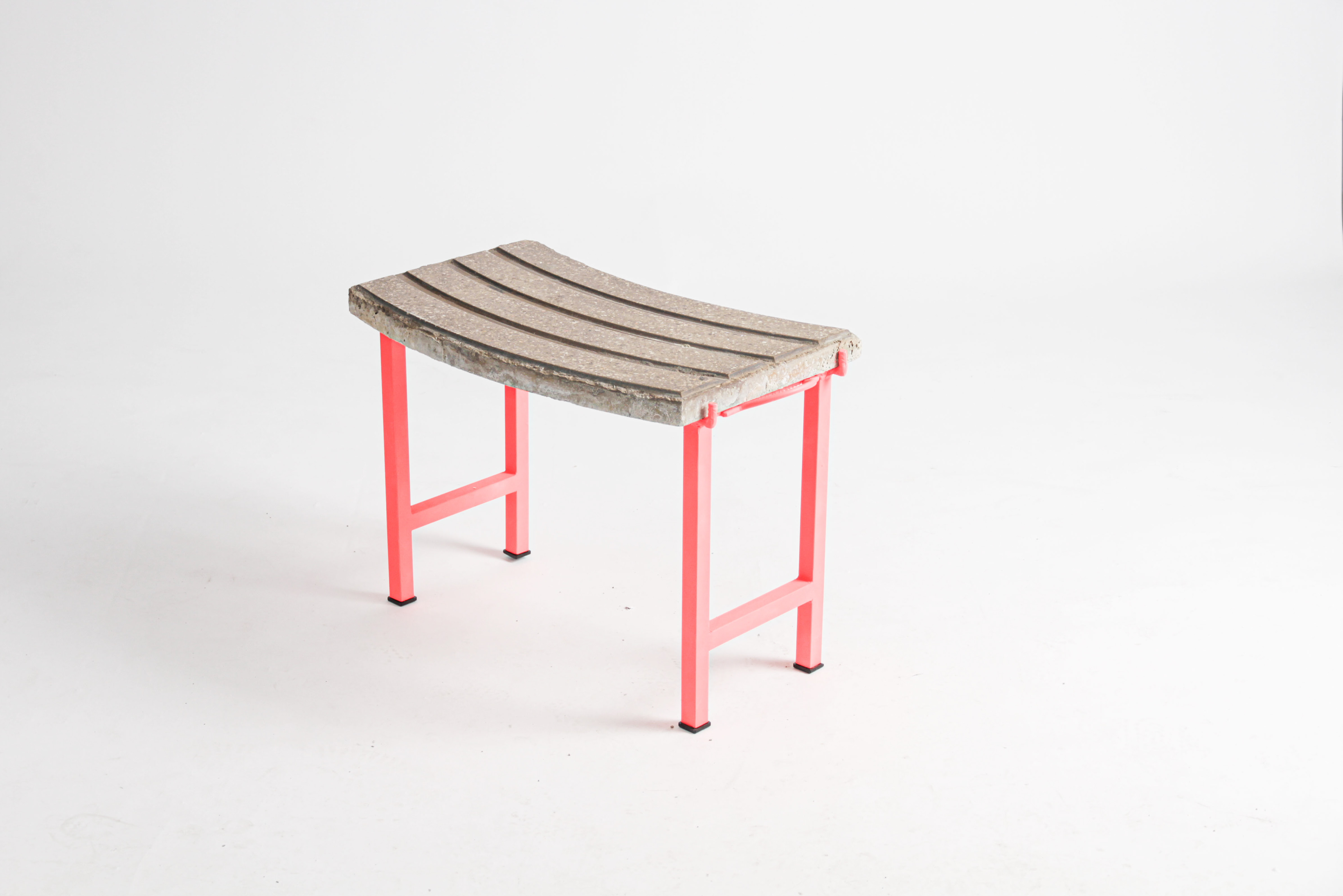
La banca, banc sense respatller en forma d'altar per emfatitzar o immortalitzar la rajola Ona, coneguda com a ones o també les marques pirelli, símbol de la reforma de la Rambla. Paviment Ondulat que data de 1968, obra d'Adolfo Florensa per a Escofet, utilitzant la tècnica del "formigó vibroprensat" o tecnologia patentada "Vibrazolit", que permetia la producció de rajoles prefabricades aptes per a espais exteriors. Van ser instal·lades el 1968, però han patit algunes reformes importants. La més rellevant, el 1989, segons un projecte de Rosa Clotet.
Esp La Rambla de Barcelona o conocida como Rambla de las Flores o La Rambla empezó su renovación en 2016, donde se convocó un concurso internacional, que ganó KM_Zero, liderado por las arquitectas Itzíar González, Olga Tarrasó y Lola Domenech. Se coordinó con vecinos, administración, técnicos y otros agentes para acordar el proyecto de renovación que se espera que finalice antes del 2027.
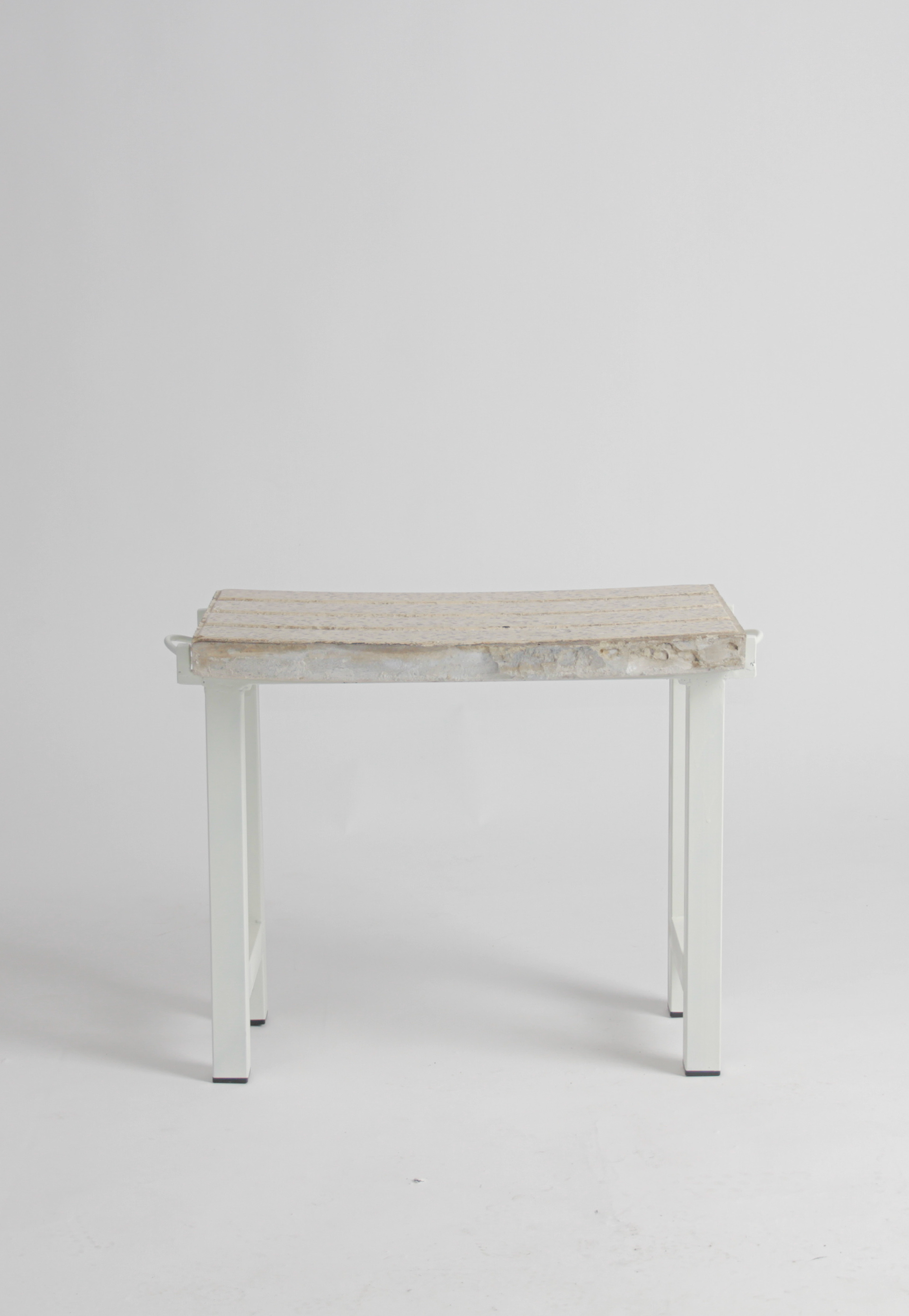
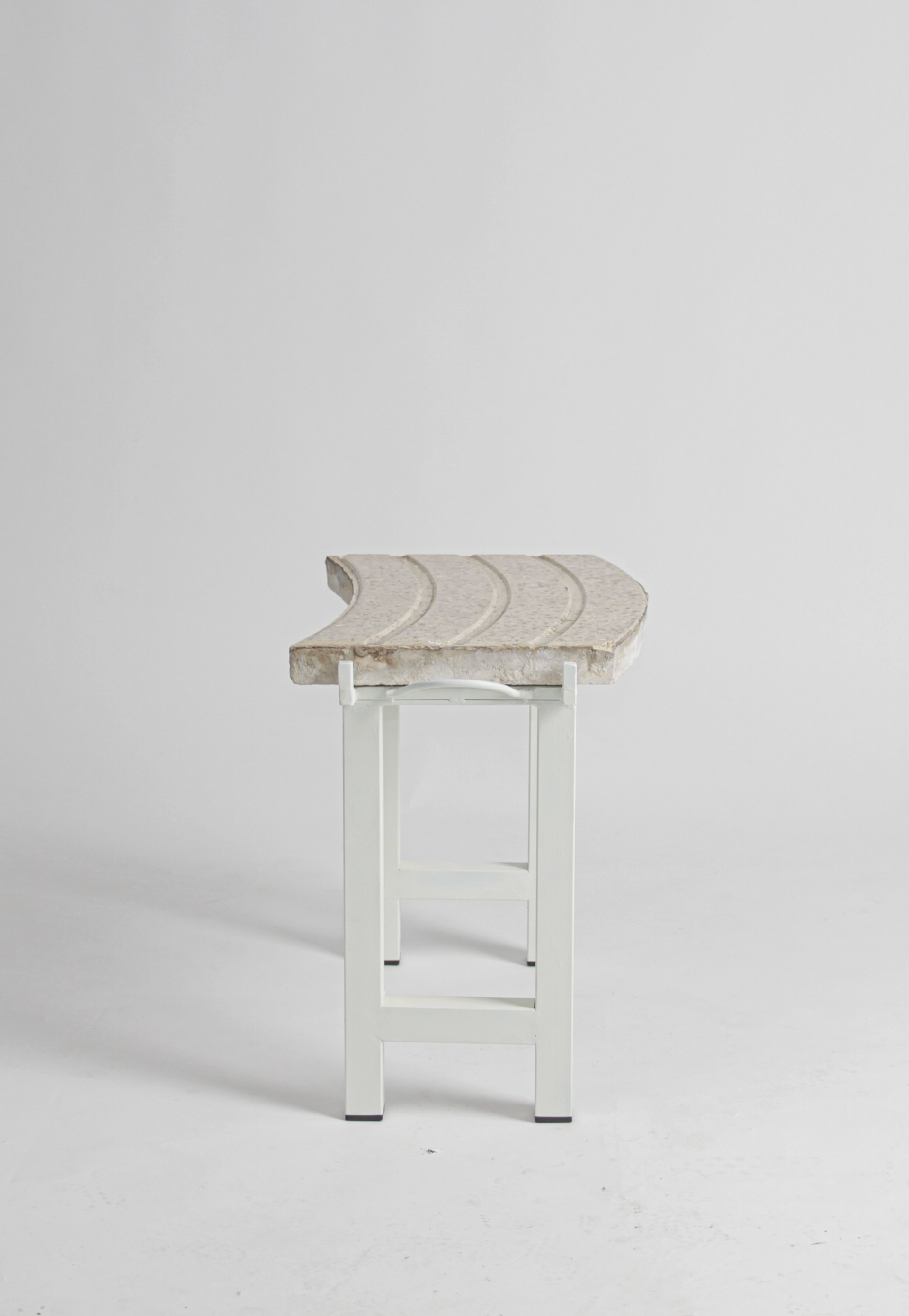
La banca, banco sin respaldo en forma de altar para enfatizar o inmortalizar la baldosa Ona, conocida como ondas o también las marcas pirelli, símbolo de la reforma de la Rambla. Pavimento Ondulado que data de 1968, obra de Adolfo Florensa para Escofet, utilizando la técnica del "hormigón vibroprensado" o tecnología patentada "Vibrazolit", que permitía la producción de baldosas prefabricadas aptas para espacios exteriores. Fueron instaladas en 1968, pero han sufrido algunas importantes reformas. La más relevante en 1989, según un proyecto de Rosa Clotet.